

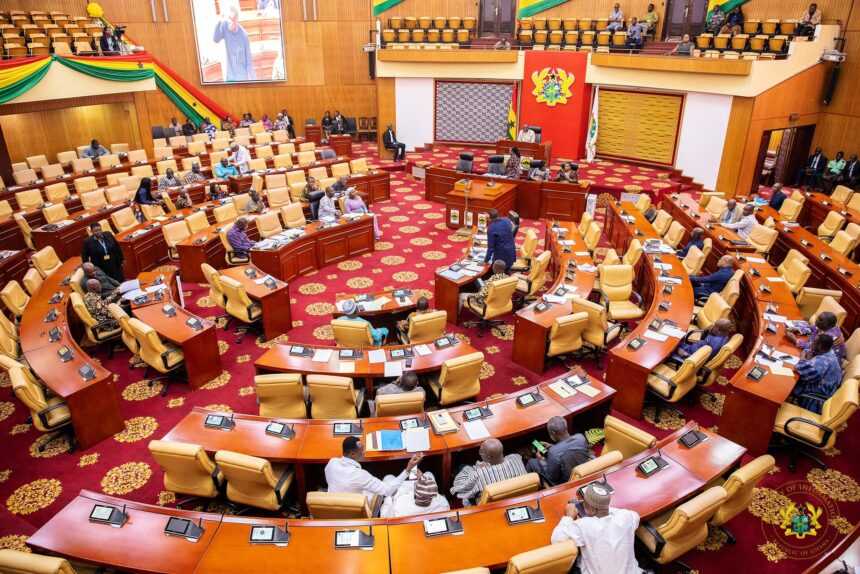
Parliament has passed the Ghana Medical Trust Fund Bill, 2025—commonly referred to as the MahamaCares Programme—clearing the path for a state-backed fund aimed at expanding access to specialised medical treatment for chronic and life-threatening illnesses.
The bill establishes a dedicated trust to subsidize care for conditions such as cancer, stroke, kidney failure, and diabetes, with the government touting it as a major step toward addressing the country’s rising burden of non-communicable diseases.
But the legislation passed amid sharp partisan debate. Lawmakers in the Minority Caucus opposed a key provision that earmarks 20% of the existing National Health Insurance Scheme (NHIS) levy to finance the new fund. They warned the reallocation could strain the NHIS, which already faces operational challenges and periodic funding shortfalls.
“This could significantly weaken the very scheme that delivers primary care to millions,” one Minority MP said during floor debate, echoing widespread concern that the measure may create new risks for Ghana’s broader healthcare system.
Despite the objections, the bill passed by majority vote. Health Minister Kwabena Mintah Akandoh, speaking to reporters after the vote, defended the government’s financing strategy, describing the fund as a “targeted intervention” to reduce the catastrophic health expenditures faced by many families.
According to Mr. Akandoh, the Ghana Medical Trust Fund will begin implementation in phases, with detailed operational guidelines—including eligibility requirements, benefits structure, and governance protocols—expected to be released through subsidiary legislation.
Once operational, the programme will partially or fully cover the cost of expensive treatments, advanced diagnostics, and life-saving medications that remain out of reach for most citizens.
The bill is a flagship policy initiative of the Mahama administration and is likely to become a central point of debate in future discussions on health sector financing, equity, and the long-term sustainability of Ghana’s dual-track healthcare model.